
The Unfinished Future of the Salina Sisters
The LeopardThis thread follows the sisters’ later household from preserved devotion and family authority toward exposure, disillusionment, and final disposal.
increasing Bearing strength in each event
 decreasing
Bearing strength in each eventdecreasingThree Sisters in the Villa
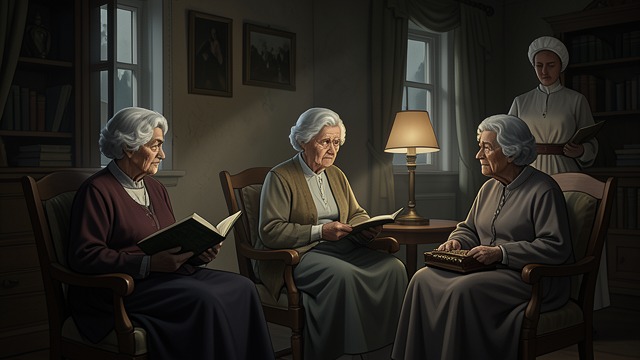
Three Sisters in the Villa
A reduced household
Concetta, Carolina, and Caterina live together as elderly unmarried women in the former family villa. Their separate confessors and rivalries shape a domestic order unlike their father’s household.
Authority turns inward
The sisters maintain status through religious practice, servants, and control over the house. Their power is real within these walls but detached from the wider influence once enjoyed by the family.
The Collection’s Origin
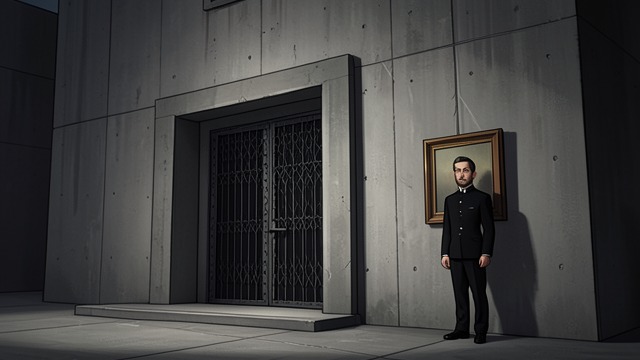
The Collection’s Origin
Relics gathered
Carolina builds an extensive collection of relics, while Concetta manages the household’s payments and possessions. The objects are treated as supernatural treasures and as evidence of the family’s religious standing.
Belief and management
The collection depends on documents, frames, and the sisters’ trust in their intermediary. Its authority is partly devotional and partly sustained by the routines through which the household gives it value.
Concetta Sees the Risk
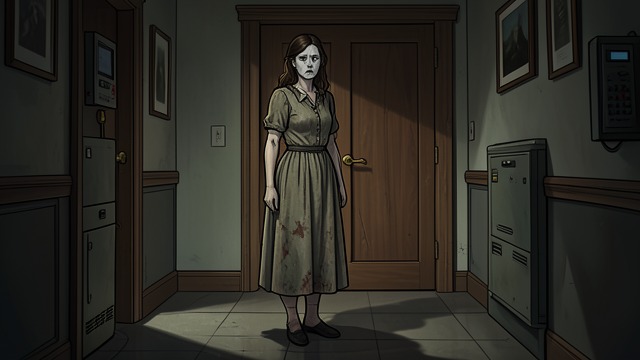
Concetta Sees the Risk
A social danger recognized
Concetta understands that the inspection may expose the weakness of the collection’s claims. She is less invested in the relics themselves than in the family’s standing with the Church.
Reputation at stake
The Salina name has lost much of its economic and political force, so ecclesiastical esteem matters all the more. The inquiry threatens one of the few remaining forms of family distinction.
The Sisters React
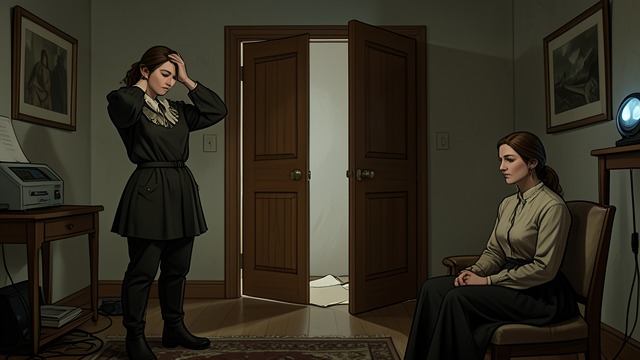
The Sisters React
Different forms of resistance
Carolina responds with anger, Caterina with distress, and Concetta with controlled resignation. The same decision exposes their different relations to belief and authority.
The family’s limits
The sisters cannot prevent the chapel from being closed or its objects from being examined. Their emotional responses show how little private wealth and inherited status can protect them from institutional judgment.
A Final Order
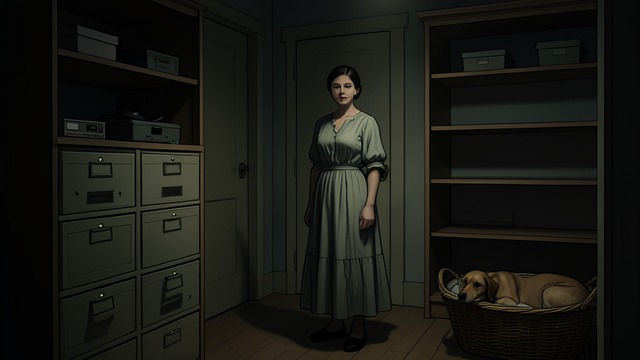
A Final Order
Disillusionment settles
Concetta feels detached from the chapel’s objects and from the memories surrounding them. Her room becomes a place where the past is carefully stored but no longer actively lived.
The dog is removed
She orders Bendicò’s preserved body thrown away, ending the novel’s final visible link to the household of her youth. The order closes the sisters’ story with an act of release that is also an admission of loss.
May 1910, before the archdiocesan visit
Before May 1910, during the sisters’ years of collecting
May 1910, during the Vicar-General’s conversation
May 1910, after the Cardinal’s inspection
May 1910, after Angelica’s letter arrives
